Moonfrost Controversy Explained: NFT Past vs. Today's Game
The Moonfrost controversy, from blockchain-era backlash to its 2026 rebirth as a premium Steam game. Here's what changed and what to expect.
The Moonfrost controversy is one of the strangest redemption arcs in recent indie gaming history. A cozy farming life-sim that once drew serious heat for its blockchain, NFT, and play-to-earn ambitions has quietly reinvented itself as a premium, crypto-free PC game launching on Steam. If you searched for Moonfrost in 2022 or 2023, you'd have found heated debates about Solana tokens and NFT ownership. If you check the official Steam page today, you'll find something completely different — and that contrast is exactly why the controversy still matters in 2026.
In this article, we'll break down what the Moonfrost controversy was actually about, how the game changed, and whether the version launching into Early Access on October 12, 2026 deserves a clean slate.
What Is Moonfrost, and Why Was It Controversial?
Moonfrost is a life-simulation farming game from Oxalis Games, a UK-based studio. At its core, it follows the Stardew Valley and Animal Crossing tradition: farming, decorating, building relationships, and relaxing in a charming world. That premise was never the problem.
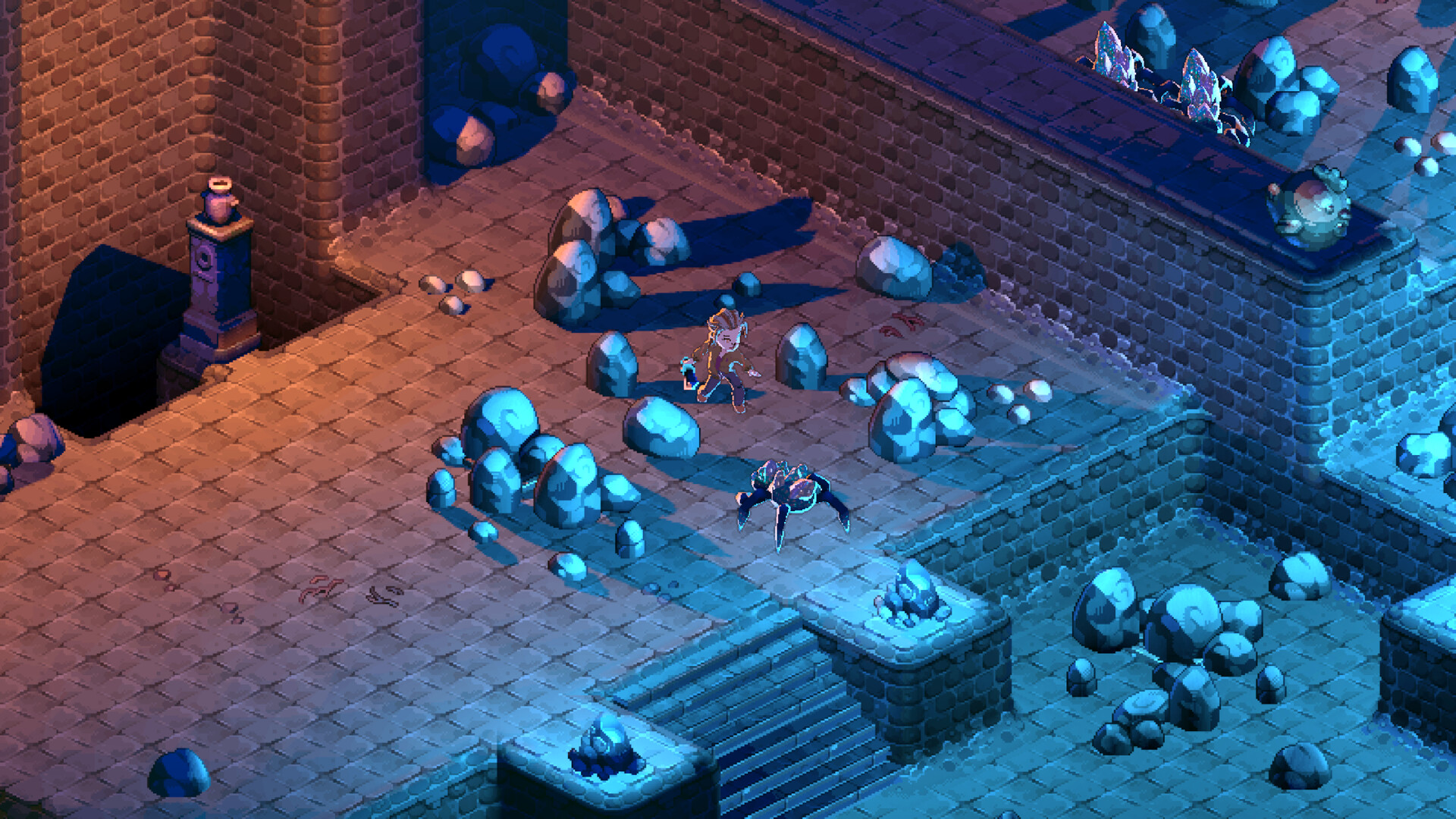
Official screenshot · Source: Steam store
The controversy came from everything wrapped around that premise during the game's early years. Between roughly 2021 and 2024, Moonfrost was positioned as a web3 game — one where players could own NFT "homesteads," earn FROST tokens on the Solana blockchain, and theoretically profit from play-to-earn mechanics. That positioning placed it directly in the crossfire of one of gaming's ugliest cultural battles.
The Web3 Era: Why Gamers Pushed Back
To understand the backlash, you have to remember the mood of the industry at the time. Blockchain gaming exploded during the 2021 crypto bull market, and players pushed back just as hard. High-profile disasters set the tone — Logan Paul's CryptoZoo, which sold NFTs and tokens for a game that never shipped and whose refunds were still outstanding years later, became shorthand for everything wrong with the space. Projects like eFuse's Creator League collapsed almost overnight when it emerged that blockchain tech was involved and the celebrity participants themselves didn't know.
Moonfrost's web3-era design triggered the same objections:
- Play-to-earn skepticism: Gamers worried that token rewards would replace fun with grind, echoing theAxie Infinity-style economies that collapsed in value.
- NFT marketplaces inside games: The idea of player-to-player asset trading and a "deflationary" token economy felt, to many, like financialization of a cozy genre.
- Speculation over gameplay: Community chatter frequently centered on homestead NFT pricing and FROST token mechanics rather than the actual farming gameplay, reinforcing the perception that Moonfrost was an investment vehicle first and a game second.
- Platform distrust: Association with web3 publishing platforms like Open Loot raised questions about where the game would even live and who controlled player assets.
To be fair to Oxalis Games, no accusation of fraud or scam behavior was ever substantiated against the studio — this was a controversy about direction, not deception. But the reputational cost was real, and it shadowed the project for years.
Timeline: How Moonfrost Pivoted Away From Crypto
The story gets interesting because Oxalis Games didn't double down. They walked it all back — publicly and completely.
| Period | What Was Happening | Web3 Status |
|---|---|---|
| 2021–2023 | Moonfrost announced as a Solana-based farming game with NFT homesteads and a FROST token | Fully web3 |
| 2023–2024 | Open Loot partnership era; NFT sales and marketplace features planned | Fully web3 |
| 2024–2025 | Blockchain elements discontinued; Frost Arcade split off as a separate project | Transitioning out |
| 2025–2026 | Moonfrost repositioned as a premium, single-player PC game; Steam page goes live with a free demo | Crypto-free |
| October 12, 2026 | Planned Early Access launch on Steam at $14.99 | No blockchain elements whatsoever |
According to the studio's official FAQ, the current game has no blockchain elements, no NFTs, no play-to-earn mechanics, and no token. The Solana/FROST era, the Open Loot chapter, and the later Frost Arcade split are clearly dated history — things that were once planned or sold and have since been cancelled or spun off so the team could focus entirely on making a good premium game.
That's the honest framing the Moonfrost controversy deserves in 2026: not a cover-up, but a publicly documented pivot.
Moonfrost Then vs. Now: A Side-by-Side Comparison
| Feature | Web3-Era Moonfrost (2021–2024) | Moonfrost Today (2026) |
|---|---|---|
| Business model | Free-to-play with NFT purchases | Premium paid game, $14.99 Early Access |
| Platform | PC via web3 portals (Open Loot era) | Windows PC via Steam |
| Blockchain | Solana, FROST token, NFT homesteads | None |
| Play-to-earn | Core selling point | Removed entirely |
| Multiplayer/social | Shared villages, social hubs discussed | Single-player per official FAQ; co-op/multiplayer not confirmed |
| Release date | Perpetually "coming soon" | Early Access October 12, 2026 |
That last row is worth dwelling on. One of the quiet tragedies of the web3 boom was that countless projects spent years designing economies instead of shipping games. The fact that Moonfrost will actually be playable on day one of Early Access — with a free demo available right now on Steam — is arguably the strongest possible answer to its critics.
What the Current Game Actually Offers
Per the official Steam page and FAQ, here's what's confirmed for the Early Access version:
- A cozy, handcrafted world — the developers explicitly state the game is created by humans, not AI-generated content, a point that matters a lot to today's audiences.
- Single-player life-sim gameplay — farming, decorating, and village life in the tradition of the genre's classics.
- A $14.99 Early Access price — a one-time purchase. No subscriptions, no crypto purchases, no in-game token.
- A free demo on the Steam page, so you can try before you buy.
What's not confirmed is just as important for anyone following the old controversy. Multiplayer, co-op, shared villages, homestead visits, and player-to-player social systems were all discussed during the web3 era, but none of them are confirmed features today. If a feature list from 2023 mentions "visit your friends' homesteads," treat it as historical marketing, not current fact. The official FAQ describes Moonfrost as a single-player experience.
Lessons From the Moonfrost Controversy for Players
The Moonfrost controversy isn't just about one game — it's a case study in how to evaluate projects that change direction. Whether you're deciding whether to buy Moonfrost in 2026 or vetting any game with a messy past, these principles help:
| Tip | Why It Matters |
|---|---|
| Judge the game by its current official sources | Old trailers, Discord posts, and web3 articles describe a game that no longer exists |
| Check the store page for the actual business model | A $14.99 one-time purchase tells you more than years of marketing copy |
| Try the demo before forming an opinion | Moonfrost's free Steam demo lets you evaluate gameplay directly |
| Ignore price/speculation chatter | Any talk of token value or NFT resale is about history, not this game |
| Watch for dated claims in reviews | Many existing "reviews" online predate the pivot entirely |
That last point deserves emphasis: a huge share of the content you'll find searching "Moonfrost review" or "Moonfrost controversy" was written during the blockchain era. Some of it is accurate about the past and wildly wrong about the present. Always check the publication date, and when in doubt, the two authoritative sources are the official Moonfrost site and the Steam page.
Should You Care About the Moonfrost Controversy in 2026?
Here's our honest take. If your objection to Moonfrost was philosophical — you don't want blockchain, NFTs, or play-to-earn anywhere near cozy games — then your objection has been resolved. The game launching today contains none of those elements. Buying it in 2026 doesn't reward the web3 model; it rewards a studio that abandoned it.
If your objection was practical — you were burned by crypto games before, or you simply don't trust pivots — then the demo is your friend. Play it. Judge the farming, the art, the loop. That's the only fair test now.
What the industry should take from the Moonfrost controversy is that pivots can work, but only when they're total. Half-measures — keeping a token "optional" or an NFT marketplace as a side feature — have failed repeatedly. Oxalis Games went all-in on being a normal premium game, and that decision is the reason Moonfrost has a launch date at all.
Frequently Asked Questions
Is Moonfrost still an NFT game?
No. The blockchain and NFT features from the Solana-era version were discontinued. The current Moonfrost has no NFTs, no token, no play-to-earn mechanics, and no marketplace. It's a premium single-player PC game sold on Steam for $14.99 in Early Access.
Is Moonfrost free-to-play?
No. Moonfrost is a paid game launching into Steam Early Access on October 12, 2026, with an announced price of $14.99. A free demo is available on the Steam page if you want to try it first.
Does Moonfrost have multiplayer or co-op?
Not currently. The official FAQ describes Moonfrost as a single-player experience. Multiplayer, co-op, and shared-village features were discussed during the old web3-era version, but they are not confirmed features of the game today.
Why was there a Moonfrost controversy in the first place?
The controversy stemmed from Moonfrost's original web3 positioning between 2021 and 2024, when it was planned as a Solana-based game with NFT homesteads and a FROST token. Many players opposed play-to-earn mechanics on principle, and the broader collapse of crypto gaming projects made association toxic. The studio subsequently removed all blockchain elements and refocused on a premium PC game.
Related Guides
Moonfrost AI Review: Cozy Life-Sim Without Crypto
Our Moonfrost review covers the Steam launch, $14.99 price, no-AI handcrafted design, and the canceled NFT era — everything you need to know.
Moonfrost Review: Is This Cozy Farming Sim Worth It?
Our Moonfrost review covers gameplay, price, Early Access status, and whether this cozy farming adventure from Oxalis Games deserves a spot on your PC.